
The 7 Types of Flashlights for Inspection
A breakdown of the main types of flashlights for home and commercial inspections, comparing handheld, tactical, headlamps, and more.

When choosing a flashlight for home or commercial property inspection, it’s important to know the different types available — because each type has strengths and weaknesses depending on inspection environment, brightness needs, portability, durability, and reliability.
Here’s a clear breakdown of the main types of flashlights and what they’re best for:
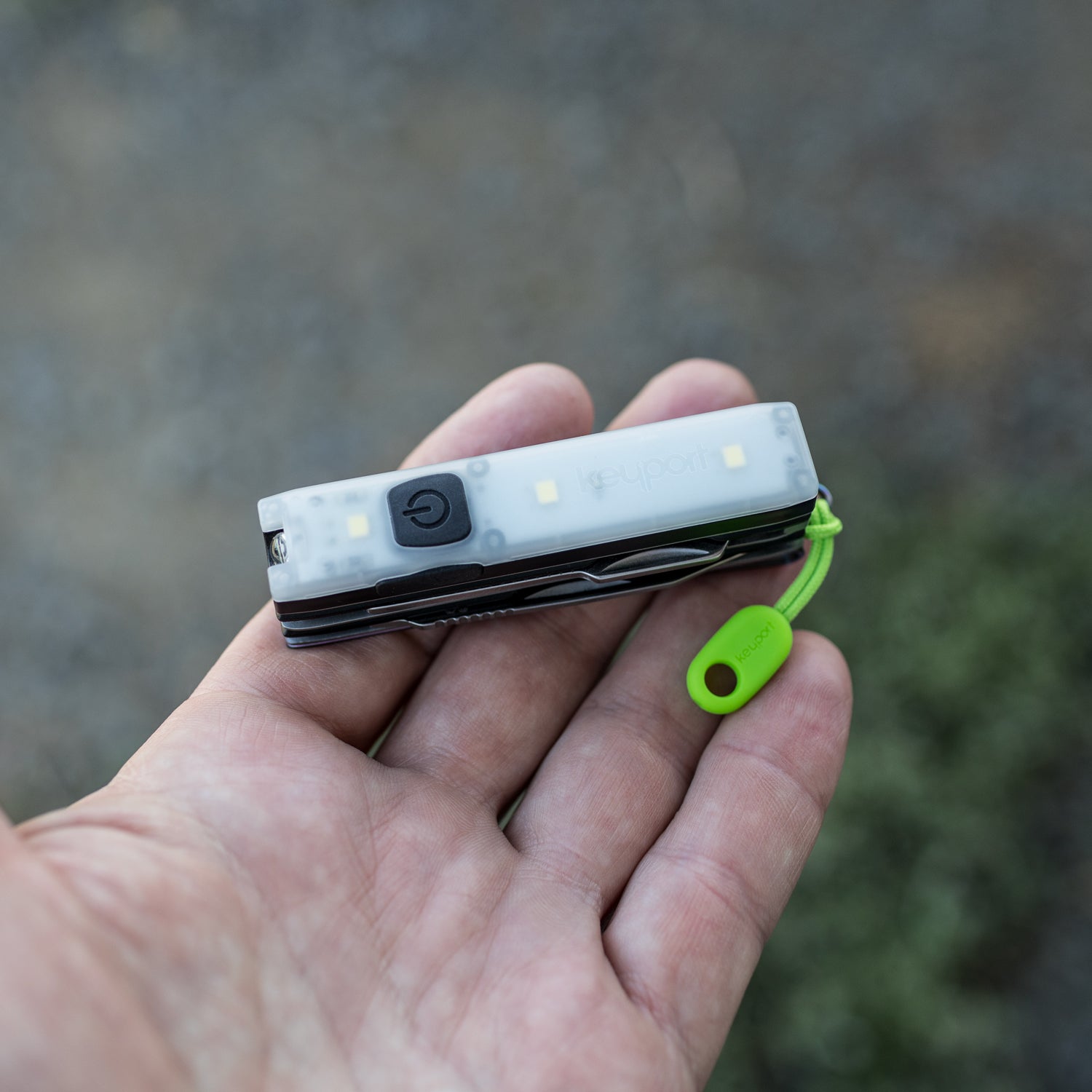
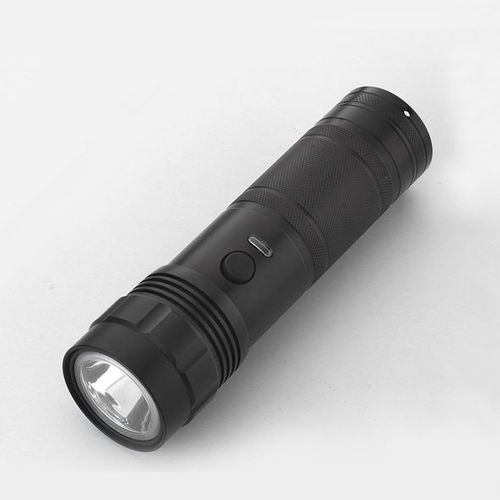
🔦 1. Handheld Flashlights
The most common and versatile type.
⚙️ Key Features
- Easy to carry and use with one hand
- Vary from compact pocket size to larger high-output models
- Many use LED bulbs (bright, efficient, long life)
🔍 Best For
- General home inspections
- Accessing small crawl spaces
- Quick spot-checks of electrical panels, attics, basements
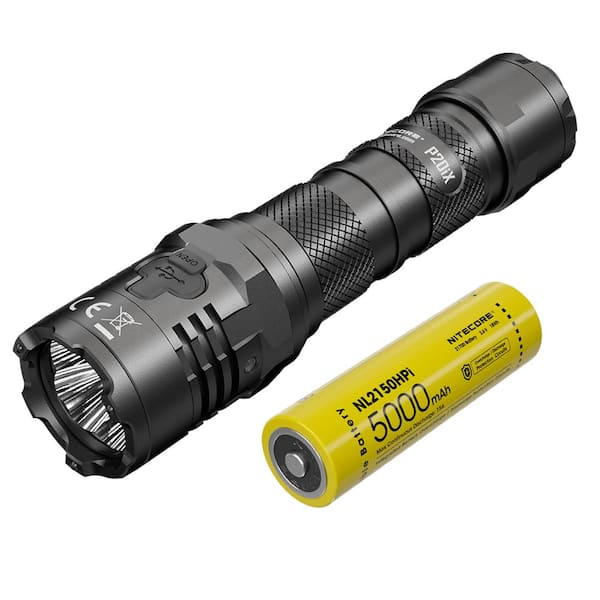
💪 2. Tactical Flashlights
Durable, bright, and often geared toward law enforcement — but great for inspections.

⚙️ Key Features
- Extremely rugged, often water- and impact-resistant
- Bright outputs (often > 500 lumens)
- Usually metal bodies with grip design
🔍 Best For
- Inspectors who work outdoors
- Rough environments (construction sites, dark crawlspaces)
- Situations needing very bright light
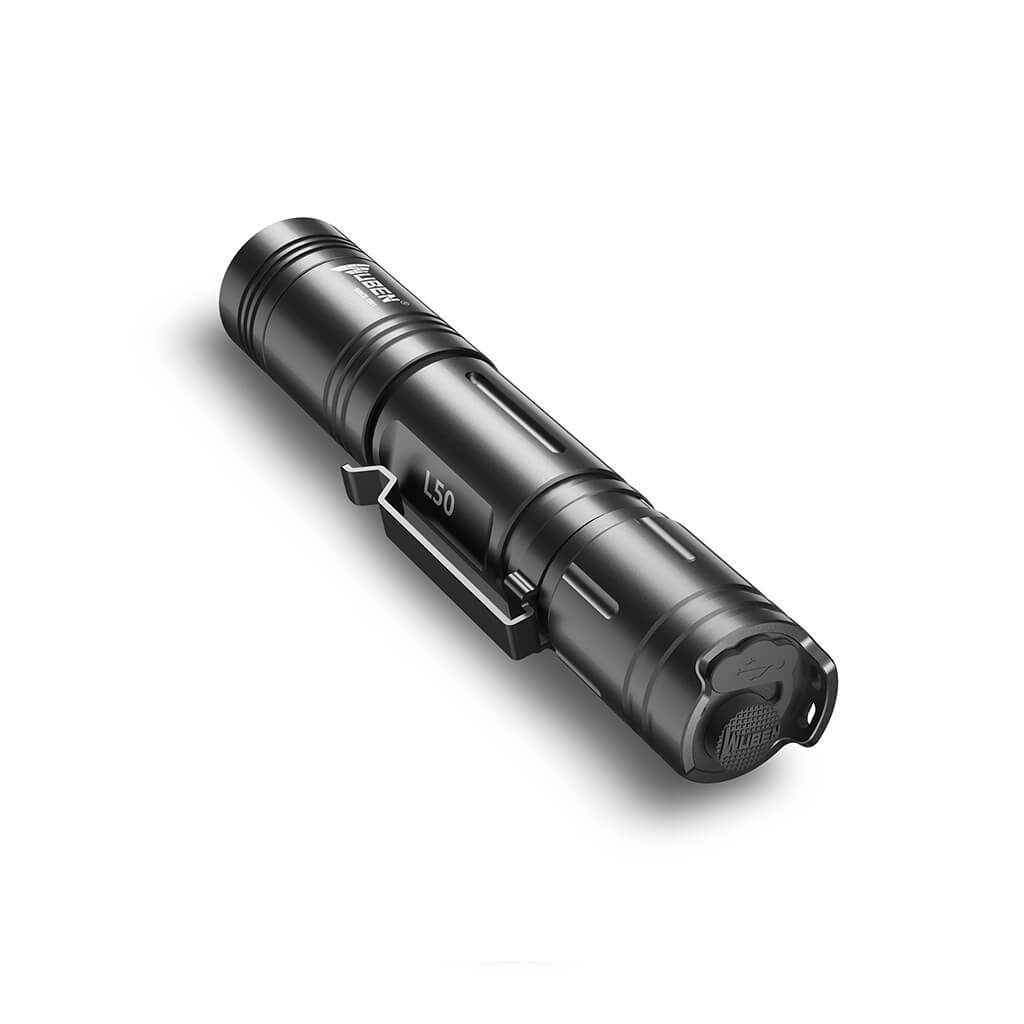
🔋 3. Rechargeable Flashlights
Modern and cost-effective over time.


⚙️ Key Features
- Recharge via USB, magnetic dock, or charging base
- Often include battery level indicators
- Lower long-term cost vs disposable batteries
🔍 Best For
- Frequent use (daily/weekly)
- Jobs where you don’t want to buy lots of batteries
- Flashlights with multiple brightness levels
🔦 4. Headlamps
Hands-free lighting you wear on your head.
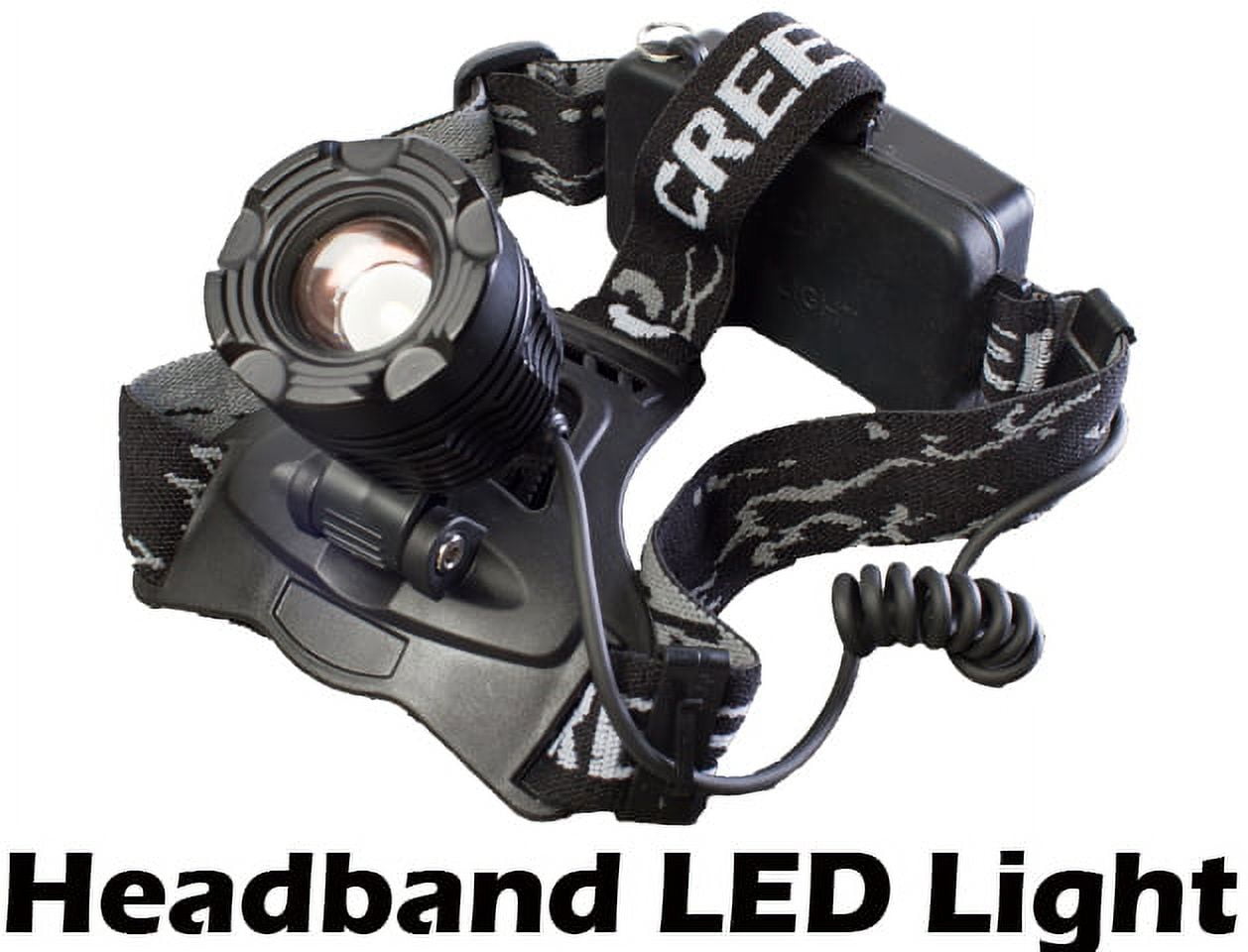
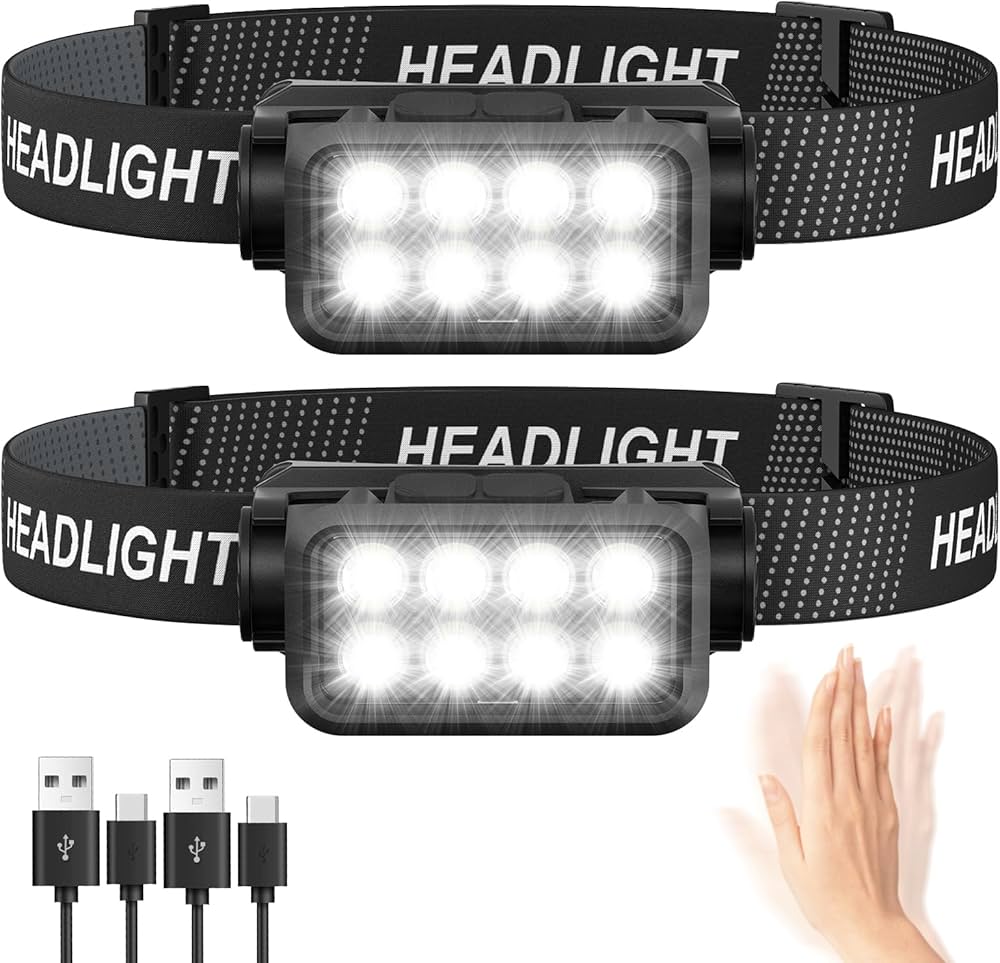
⚙️ Key Features
- Adjustable straps and tilt angles
- Bright and lightweight
- Freees both hands for tools or climbing
🔍 Best For
- Attic, crawl space, or ceiling inspection
- Multi-task work where hands are busy
🔦 5. Penlights
Slim and compact — ideal for tight spots.
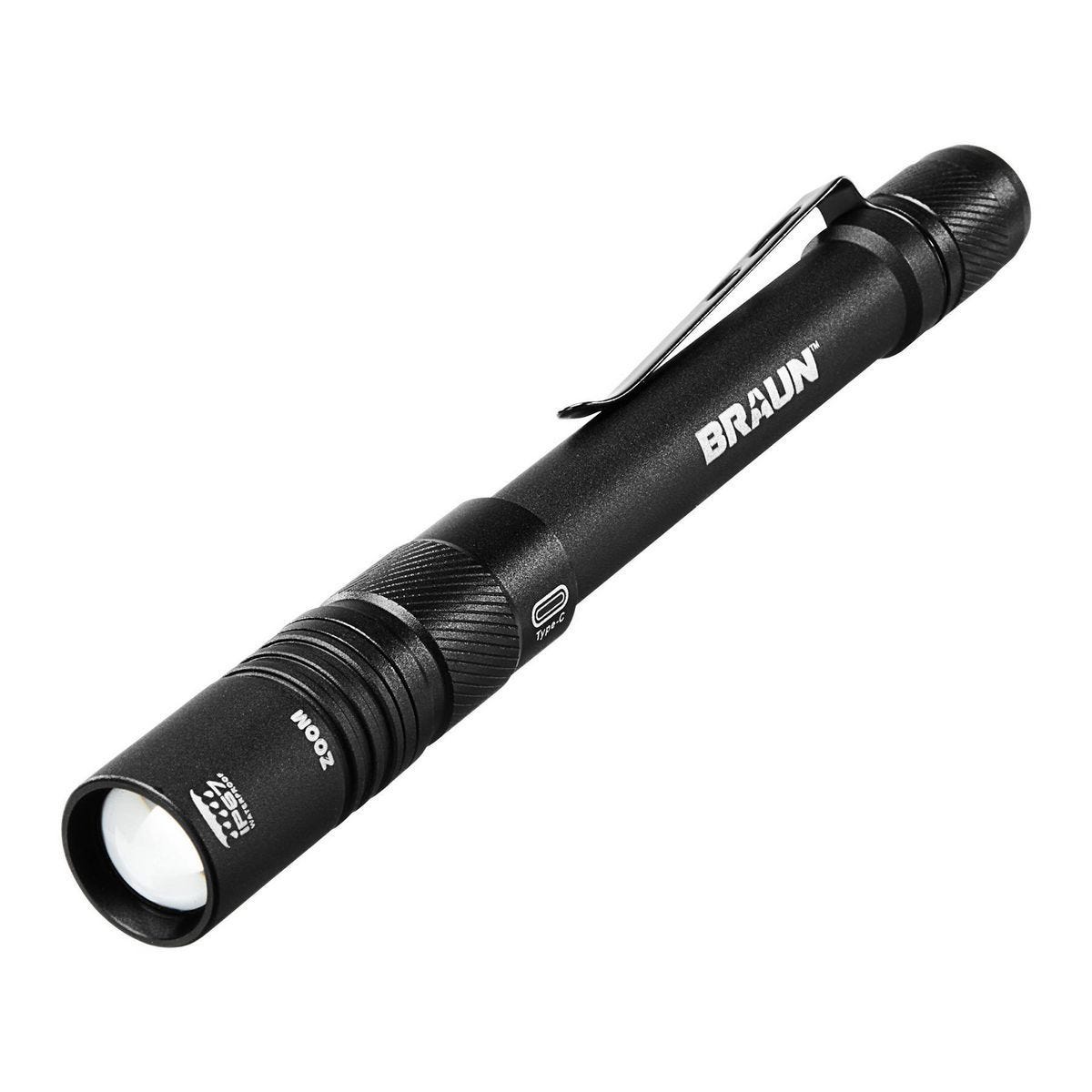
⚙️ Key Features
- Pen-style shape, light, inexpensive
- Good for illuminating small cracks/sockets
🔍 Best For
- HVAC panel checks
- Electrical outlets
- Small component inspection
🔦 6. Work Lights / Lanterns
Larger, area-filling lights rather than handheld beams.
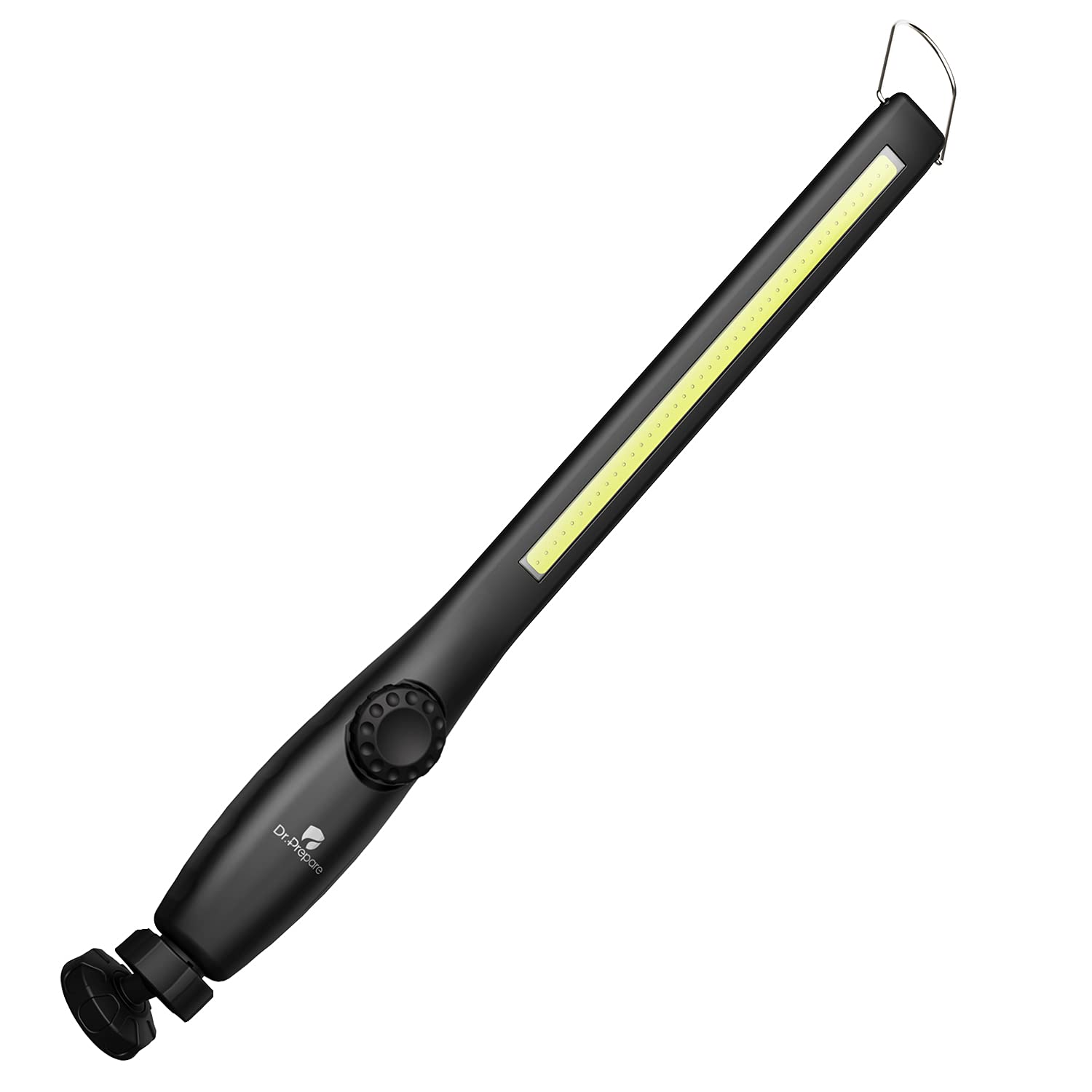

⚙️ Key Features
- Flood-style lighting
- Stands or magnetic bases for placement
- Can illuminate entire rooms or work areas
🔍 Best For
- Lighting entire rooms (e.g., basements)
- Long-duration jobs
- Inspecting garages or large spaces
🧰 7. Specialty Inspection Lights
For specific tasks (e.g., pipe inspection, tight channels).
- Flexible shaft LED lights — like a gooseneck for under equipment
- UV flashlights — reveal mold, leaks, pet stains
- Fiber-optic lights — reach micro spaces
- Laser pointer combo — highlight alignment or distances
🧠 What Features Matter Most for Inspection
| Feature | Why It Matters | | :--- | :--- | | Brightness (Lumens) | More lumens = brighter. For inspections 300–1000+ lumens is often ideal. | | Beam Distance | How far the light reaches — good for large basements or attics. | | Durability & Water Resistance | Protection against drops, dust, moisture. | | Rechargeable vs Battery | Rechargeable is cheaper long-term; battery spares are good backups. | | Weight & Grip | Comfortable over long inspections. | | Hands-Free Options | Headlamps or lanterns free your hands for tools. |
📌 Quick Summary
- Best all-around: Rechargeable handheld LED flashlight
- For rough environments: Tactical flashlight
- Hands-free: Headlamp
- Small spaces: Penlight or flexible light
- Large area illumination: Work light/lantern
- Special tasks: UV or specialty inspection lights